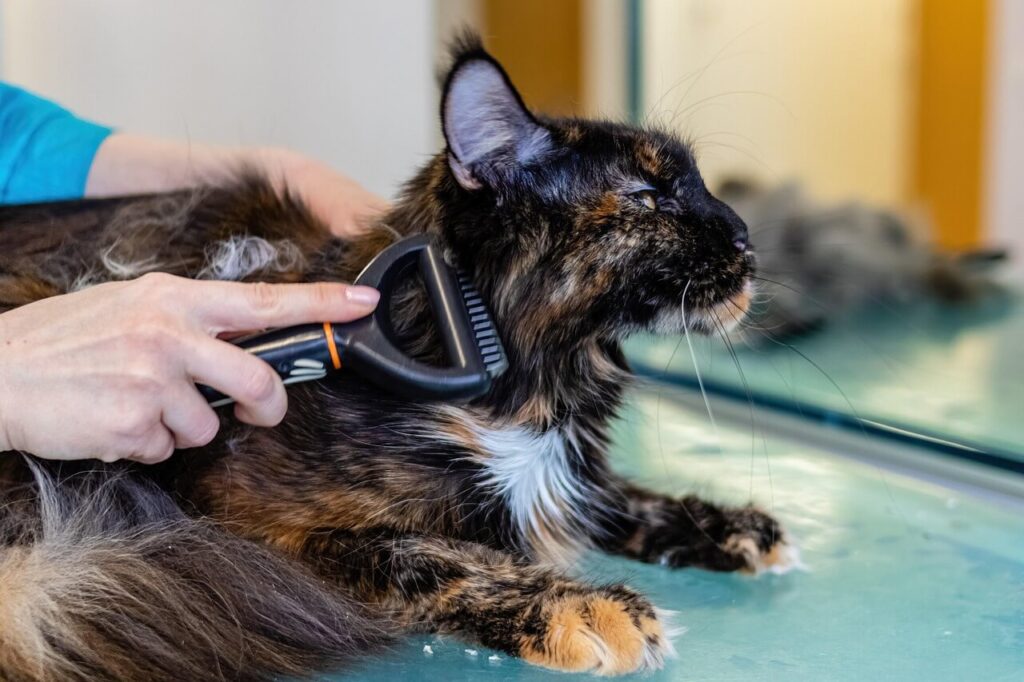

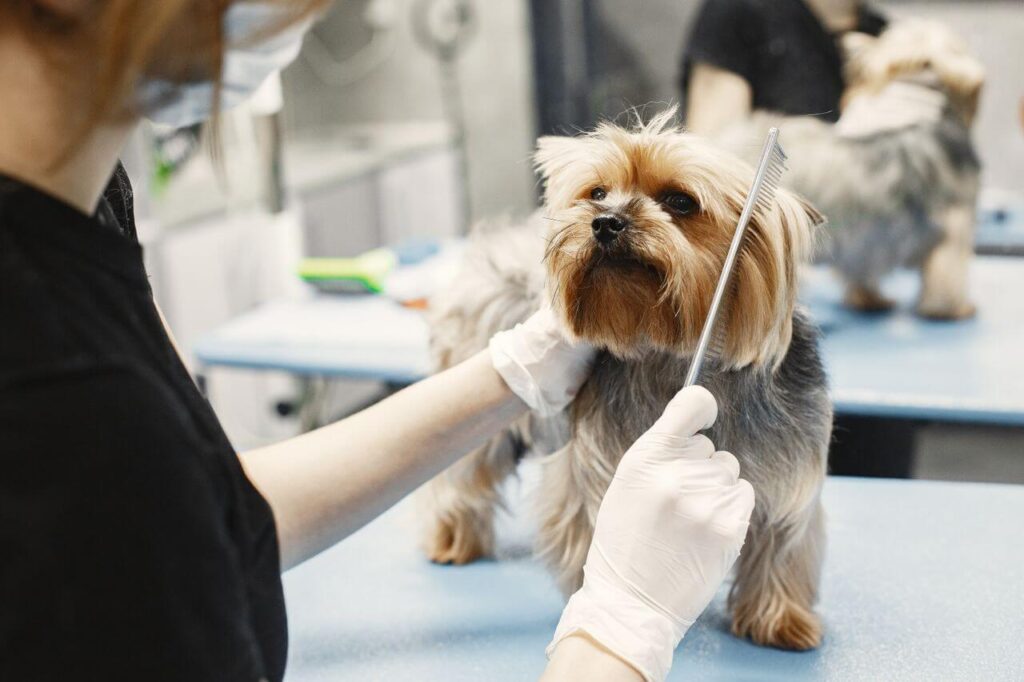
Grooming is much more than keeping your pet looking clean and adorable. Regular grooming plays a vital role in maintaining your pet’s overall health by preventing skin problems, reducing shedding, detecting health issues early, and keeping your furry companion comfortable. Whether you own a playful dog or a curious cat, establishing a consistent grooming routine can significantly improve their quality of life.
Many pet owners believe grooming is only necessary for long-haired breeds, but every pet benefits from proper coat care, nail trimming, ear cleaning, and dental hygiene. A well-groomed pet is not only healthier but also happier and more comfortable in its daily life.
In this guide, you’ll discover the most effective pet grooming tips to help keep your dog’s or cat’s coat shiny, skin healthy, and body clean while strengthening the bond between you and your beloved companion.
Why Regular Grooming Is Important
Routine grooming offers numerous health benefits beyond appearance. It allows pet owners to monitor changes in their pet’s skin, coat, ears, eyes, and nails, making it easier to spot health concerns before they become serious.
Regular grooming helps:
- Remove loose hair and dirt
- Prevent tangled fur and mats
- Improve blood circulation
- Reduce shedding
- Prevent skin infections
- Minimize unpleasant odors
- Detect fleas, ticks, or skin abnormalities early
A few minutes of grooming each week can help avoid costly veterinary treatments later.
Brush Your Pet’s Coat Regularly
Brushing is one of the simplest yet most effective grooming habits.
Benefits of brushing include:
- Removing loose fur
- Preventing painful matting
- Distributing natural skin oils
- Keeping the coat soft and shiny
- Reducing hair around your home
How Often Should You Brush?
Different coat types require different grooming schedules.
Short-haired pets
- Brush 1–2 times per week.
Medium-haired pets
- Brush 3–4 times weekly.
Long-haired pets
- Daily brushing helps prevent tangles and mats.
Always use a brush designed for your pet’s coat type to avoid irritating the skin.
Bathe Your Pet the Right Way
Bathing removes dirt, excess oil, and allergens from your pet’s skin and coat. However, excessive bathing can strip away natural oils and lead to dry, itchy skin.
Most dogs only need a bath every four to eight weeks, depending on their breed, activity level, and coat type. Cats generally groom themselves well, so they only need occasional baths unless recommended by a veterinarian.
Bathing Tips
- Use lukewarm water.
- Choose a pet-specific shampoo.
- Rinse thoroughly.
- Dry your pet completely.
- Avoid getting water inside the ears.
Never use human shampoo because its pH level can irritate your pet’s sensitive skin.
Keep Your Pet’s Nails Trimmed
Long nails can affect your pet’s posture, walking, and joint health. Overgrown nails may even crack or break, causing pain and discomfort.
Signs your pet needs a nail trim include:
- Nails touching the floor while walking
- Clicking sounds on hard surfaces
- Difficulty walking comfortably
Trim small amounts at a time to avoid cutting the sensitive quick inside the nail.
If you’re unsure how to trim nails safely, ask your veterinarian or a professional groomer for guidance.
Clean Your Pet’s Ears Safely
Healthy ears are clean, odor-free, and free from excessive wax.
Regular ear cleaning helps prevent infections, especially in floppy-eared dog breeds.
Watch for signs such as:
- Bad odor
- Redness
- Swelling
- Frequent scratching
- Head shaking
Use only veterinarian-approved ear cleaning solutions. Never insert cotton swabs deep into the ear canal.
Maintain Good Dental Hygiene
Dental care is one of the most overlooked aspects of pet grooming.
Poor oral hygiene can lead to:
- Bad breath
- Gum disease
- Tooth loss
- Pain while eating
- Bacterial infections
Brush your pet’s teeth several times each week using toothpaste made specifically for dogs or cats.
You can also support dental health with:
- Dental treats
- Dental chews
- Professional cleanings
- Veterinary dental checkups
Healthy teeth contribute to better overall health.
Watch for Skin Problems
Grooming sessions provide an excellent opportunity to inspect your pet’s skin.
Look for:
- Dry patches
- Redness
- Rashes
- Hair loss
- Fleas
- Ticks
- Lumps or bumps
Early detection often leads to faster treatment and better outcomes.
If you notice persistent itching, excessive shedding, or skin irritation, consult your veterinarian promptly.
Groom According to the Season
Your pet’s grooming needs may change throughout the year.
During Summer
- Brush more often to remove excess fur.
- Keep pets hydrated.
- Check for ticks after outdoor walks.
- Avoid shaving double-coated breeds unless advised by a veterinarian.
During Winter
- Bathe less frequently.
- Moisturize dry paw pads.
- Continue brushing to prevent matting.
- Dry pets thoroughly after walks in wet weather.
Seasonal grooming helps maintain healthy skin regardless of weather conditions.
Make Grooming a Positive Experience
Some pets feel nervous during grooming, especially if they’re introduced to it later in life.
Help your pet enjoy grooming by:
- Starting grooming at a young age.
- Keeping sessions short.
- Offering treats and praise.
- Using gentle handling.
- Maintaining a calm environment.
Positive experiences build trust and make future grooming sessions easier.
When to Visit a Professional Groomer
Although regular home grooming is beneficial, some pets require professional grooming services.
Professional groomers can help with:
- Breed-specific haircuts
- Removing severe matting
- Nail trimming
- Ear cleaning
- Coat maintenance
- Special skin care needs
Long-haired breeds often benefit from scheduled professional grooming every six to eight weeks.
Conclusion
Following these pet grooming tips will help keep your dog or cat looking great while supporting their long-term health. Regular brushing, bathing, nail trimming, ear cleaning, and dental care all contribute to healthier skin, a shinier coat, and a happier pet.
Remember that grooming is also an opportunity to strengthen the bond with your companion while monitoring their overall health. By making grooming part of your regular routine, you can prevent many common health problems before they become serious.