

Bringing a cat home for the first time is an exciting experience filled with love, companionship, and new responsibilities. Cats are independent, intelligent, and affectionate animals, but they still require proper care to stay healthy and happy. Understanding your cat’s needs from the beginning can help you build a strong bond and provide a comfortable life for your new furry friend.
Following the right cat care tips for first-time owners can make the transition easier for both you and your cat. From choosing the right food and creating a safe environment to maintaining hygiene and understanding cat behavior, every small step contributes to your pet’s overall well-being.
This complete guide will help newPrepare a Safe and Comfortable Home for Your Cat
Before bringing your cat home, it is important to create a safe and welcoming environment. Cats can feel stressed when introduced to a new place, so giving them time and space to adjust is essential.
Prepare the following items before your cat arrives:
- Comfortable sleeping area
- Food and water bowls
- Litter box
- Scratching post
- Safe toys
- Cat carrier
- Grooming supplies
Create a quiet area where your cat can relax during the first few days. Avoid overwhelming your new pet with too many visitors or sudden changes.
Cats love exploring, but they can also get into dangerous situations. Keep harmful items such as cleaning chemicals, medications, toxic plants, and small objects out of their reach.
A safe home environment is one of the most important steps in providing proper care.
Choose the Right Nutrition for Your Cat
A balanced diet plays a major role in maintaining your cat’s health. Cats are obligate carnivores, which means they require nutrients found mainly in animal-based foods.
A healthy cat diet should include:
- High-quality animal protein
- Essential amino acids
- Healthy fats
- Vitamins and minerals
- Fresh drinking water
Choose cat food according to your cat’s:
- Age
- Weight
- Activity level
- Health condition
Kittens require food that supports growth and development, while adult and senior cats may need specially formulated diets.
Avoid feeding cats foods that can be harmful, including chocolate, onions, garlic, grapes, raisins, and excessive dairy products.
Providing the right nutrition is one of the simplest ways of keeping your cat healthy throughout its life.
Understand Your Cat’s Litter Box Needs
Cats are naturally clean animals, and a properly maintained litter box is essential for their comfort and health.
Follow these litter box tips:
- Place the litter box in a quiet location
- Clean it regularly
- Provide enough boxes for multiple cats
- Choose a litter type your cat prefers
A dirty litter box may cause your cat to avoid using it, which can create stress and unwanted behaviors.
If your cat suddenly stops using the litter box, it may indicate a health problem or emotional stress. In such cases, consult a veterinarian.
Schedule Regular Veterinary Visits
Many new cat owners assume that cats do not need frequent medical care because they appear independent. However, regular veterinary checkups are important for preventing diseases and detecting problems early.
Veterinary care usually includes:
- Vaccinations
- Parasite prevention
- Dental examinations
- Weight monitoring
- Health screenings
Cats are experts at hiding discomfort, so professional checkups help identify issues that may not be obvious.
Regular veterinary care can improve your cat’s quality of life and help them live a longer, healthier life.
Provide Regular Grooming and Hygiene Care
Although cats spend a lot of time cleaning themselves, they still need help with grooming.
Important grooming habits include:
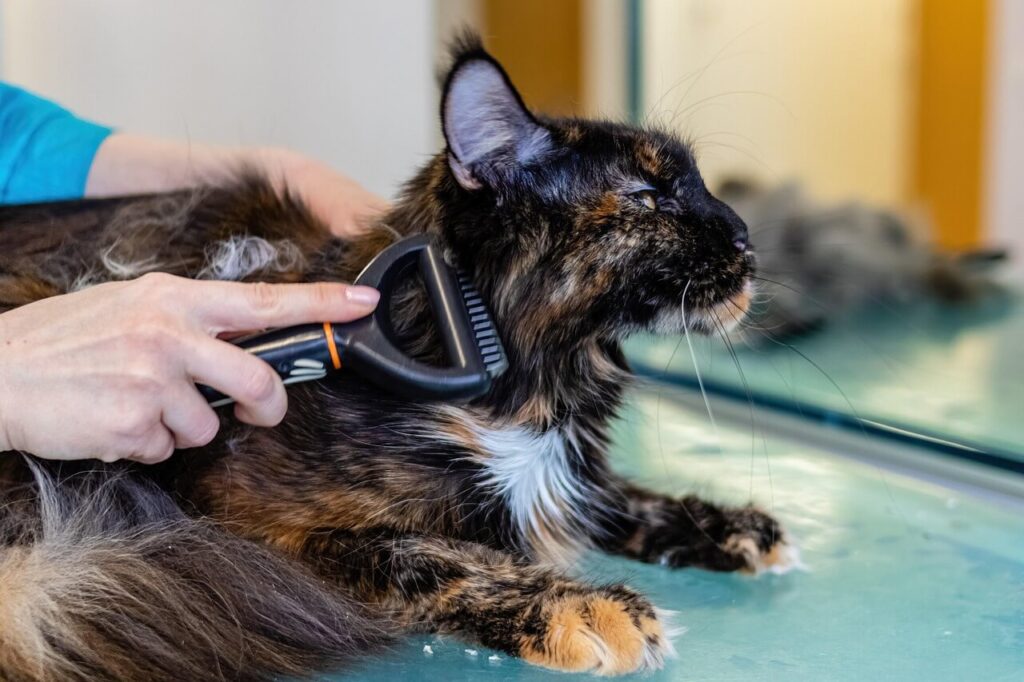
Brushing Your Cat’s Fur
Regular brushing removes loose hair, prevents mats, and reduces shedding. Long-haired cats usually need more frequent brushing compared to short-haired breeds.
Maintaining Dental Health
Dental disease is common in cats. Regular tooth brushing and veterinarian-approved dental products can help prevent gum problems and infections.
Trimming Nails
Indoor cats may need occasional nail trimming. Keeping nails at a healthy length prevents discomfort and damage to furniture.
Checking Ears and Eyes
Regularly check your cat’s ears and eyes for unusual discharge, redness, or irritation. Early detection can prevent bigger problems.
Understand Cat Behavior and Communication
One of the biggest challenges for first-time owners is understanding cat behavior. Cats communicate differently from humans, and learning their signals helps strengthen your relationship.
Common behaviors include:
- Purring: Usually shows comfort and happiness
- Slow blinking: A sign of trust and affection
- Kneading: Often associated with relaxation
- Hiding: May indicate stress or the need for a safe space
- Scratching: A natural behavior for marking territory and maintaining claws
Never punish your cat for normal behaviors. Instead, provide appropriate alternatives, such as scratching posts and interactive toys.
Understanding your cat’s personality will help you create a stronger and more positive relationship.
Keep Your Cat Active and Mentally Stimulated
Cats need physical activity and mental challenges to stay healthy. Indoor cats especially need opportunities to play and explore.
Provide activities such as:
- Interactive toys
- Puzzle feeders
- Climbing structures
- Play sessions
- Window observation areas
Regular play helps prevent obesity, boredom, and destructive behavior.
Spend at least some time every day playing with your cat. These moments strengthen your bond and improve your cat’s emotional health.
Give Your Cat Love, Patience, and Attention
Every cat has a unique personality. Some cats are naturally social and affectionate, while others need more time to become comfortable.
Build trust by:
- Respecting your cat’s personal space
- Using gentle handling
- Creating predictable routines
- Offering positive interactions
A loving and patient approach helps your cat feel secure and confident.
Remember that adopting a cat is a long-term commitment. With proper care and attention, your cat can become a wonderful companion for many years.
Conclusion
Following the right cat care tips for first-time owners can make your journey as a pet parent easier and more rewarding. Providing nutritious food, regular veterinary care, proper grooming, a safe home, and plenty of affection will help your cat enjoy a healthy and happy life.
Cats may be independent, but they still depend on their owners for protection, care, and love. By understanding your cat’s needs and creating positive daily habits, you can build a lifelong friendship with your feline companion. cat owners learn the essential care practices needed to raise a healthy, confident, and happy cat.