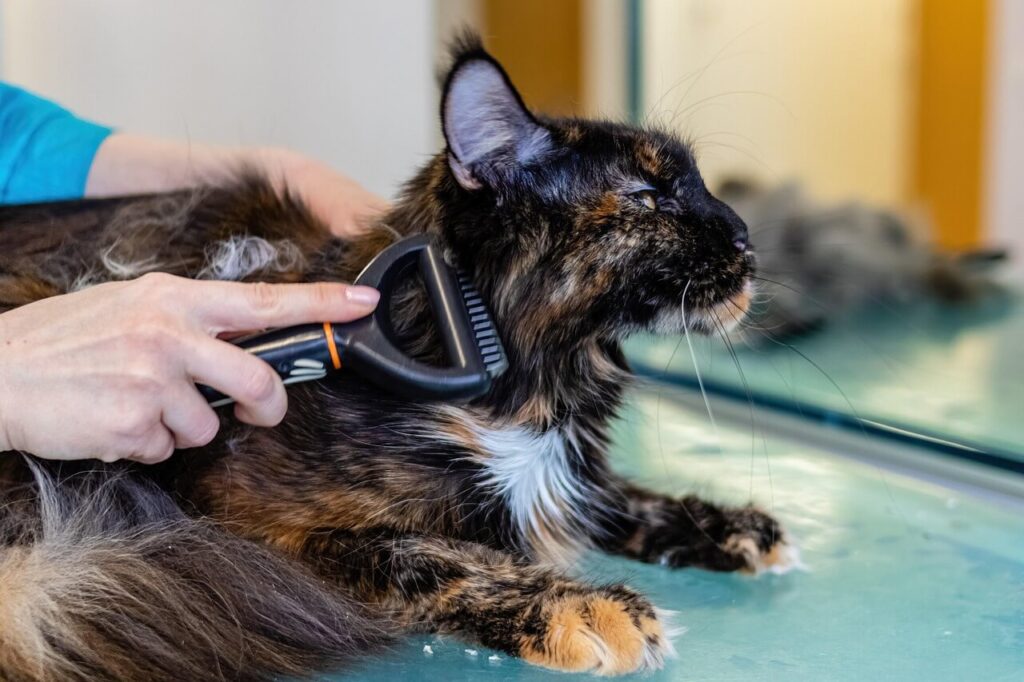


Proper nutrition is one of the most important factors in helping pets live long, healthy, and active lives. Whether you have a playful puppy, an energetic adult dog, a curious kitten, or a senior cat, a balanced diet provides the essential nutrients they need to thrive. Good nutrition not only supports physical growth but also strengthens the immune system, improves digestion, promotes healthy skin and coat, and helps prevent many common health issues.
This pet nutrition guide for dogs and cats explains everything pet owners need to know about choosing the right food, understanding nutritional requirements, maintaining a healthy weight, and avoiding harmful foods. By making informed feeding decisions, you can improve your pet’s overall health and quality of life.
Why Proper Nutrition Matters
Food is more than just fuel for your pet. Every meal provides nutrients that support body functions, repair tissues, maintain muscles, and keep the immune system strong.
A balanced diet helps:
- Maintain a healthy weight
- Support brain development
- Improve digestion
- Build strong bones and muscles
- Promote healthy skin and a shiny coat
- Increase energy levels
- Reduce the risk of chronic diseases
Poor nutrition can lead to obesity, digestive problems, weak immunity, dental disease, and nutritional deficiencies. Choosing quality food is an investment in your pet’s long-term health.
Essential Nutrients Every Pet Needs
Dogs and cats require different nutritional balances, but both need several essential nutrients for optimal health.
Protein
Protein is the building block of muscles, tissues, skin, and organs. It also supports growth and immune function.
Excellent protein sources include:
- Chicken
- Turkey
- Fish
- Beef
- Lamb
- Eggs
Cats require higher amounts of animal protein than dogs because they are obligate carnivores.
Healthy Fats
Healthy fats provide energy and support healthy skin, coat, and brain function.
Important sources include:
- Fish oil
- Chicken fat
- Flaxseed oil
- Salmon oil
Omega-3 and Omega-6 fatty acids help reduce inflammation and improve coat condition.
Carbohydrates
Dogs can benefit from moderate amounts of carbohydrates for energy and digestion.
Healthy carbohydrate sources include:
- Brown rice
- Sweet potatoes
- Oats
- Pumpkin
- Peas
Cats have lower carbohydrate requirements than dogs, so their diets should focus primarily on high-quality animal protein.
Vitamins and Minerals
Vitamins and minerals support numerous body functions, including bone development, vision, immune health, and metabolism.
Important nutrients include:
- Vitamin A
- Vitamin D
- Vitamin E
- Calcium
- Phosphorus
- Zinc
- Iron
Balanced commercial pet foods are usually formulated to provide these nutrients in the correct amounts.
Water
Fresh drinking water is just as important as food.
Proper hydration helps:
- Regulate body temperature
- Aid digestion
- Support kidney function
- Prevent dehydration
Always ensure your pets have access to clean, fresh water throughout the day.
Choosing the Right Food for Your Pet
Not all pet foods are created equal. Selecting the right diet depends on several factors.
Consider your pet’s:
- Age
- Breed
- Size
- Activity level
- Medical conditions
- Weight
For example:
- Puppies and kittens need food formulated for growth.
- Adult pets require balanced maintenance diets.
- Senior pets often benefit from lower-calorie diets with joint-supporting nutrients.
Read ingredient labels carefully. Look for real meat as the first ingredient and avoid foods filled with unnecessary fillers, artificial colors, or excessive preservatives.
Wet Food vs. Dry Food
Many pet owners wonder whether wet food or dry food is the better choice.
Benefits of Dry Food
- Convenient to store
- More affordable
- Helps reduce plaque buildup
- Longer shelf life
Benefits of Wet Food
- Higher moisture content
- Easier to chew
- Often more appealing to picky eaters
- Supports hydration
Many veterinarians recommend combining both types to provide variety and nutritional balance.
Foods That Dogs and Cats Should Never Eat
Some human foods can be dangerous or even life-threatening for pets.
Avoid feeding:
- Chocolate
- Grapes
- Raisins
- Onions
- Garlic
- Alcohol
- Caffeine
- Xylitol (artificial sweetener)
- Cooked bones
- Excessively fatty foods
If your pet accidentally eats toxic food, contact your veterinarian immediately.
Maintaining a Healthy Weight
Obesity is becoming increasingly common among household pets and can lead to serious health problems.
Extra weight increases the risk of:
- Diabetes
- Arthritis
- Heart disease
- Joint pain
- Breathing difficulties
To maintain a healthy weight:
- Measure food portions accurately.
- Avoid excessive treats.
- Provide regular exercise.
- Monitor body condition regularly.
- Visit your veterinarian for weight assessments.
Healthy feeding habits combined with daily activity help pets stay fit throughout their lives.
Feeding Tips for Better Health
Developing a consistent feeding routine benefits both dogs and cats.
Helpful feeding practices include:
- Feed meals at the same time every day.
- Avoid overfeeding.
- Introduce new foods gradually.
- Use treats in moderation.
- Store pet food properly.
- Wash food and water bowls daily.
Routine feeding supports healthy digestion and reduces stomach upset.
Should You Give Your Pet Supplements?
Most healthy pets eating a complete and balanced commercial diet do not require additional supplements.
However, veterinarians may recommend supplements for:
- Joint health
- Skin and coat support
- Digestive health
- Senior pets
- Specific medical conditions
Never give supplements without professional advice, as excessive amounts of certain nutrients can be harmful.
Conclusion
Providing balanced nutrition is one of the greatest gifts you can give your pet. Choosing high-quality food, maintaining proper portion sizes, ensuring adequate hydration, and avoiding harmful foods all contribute to a healthier and happier life.
Remember that every pet has unique nutritional needs based on age, breed, activity level, and overall health. Regular veterinary checkups and thoughtful feeding habits will help your dog or cat enjoy many healthy years by your side.